
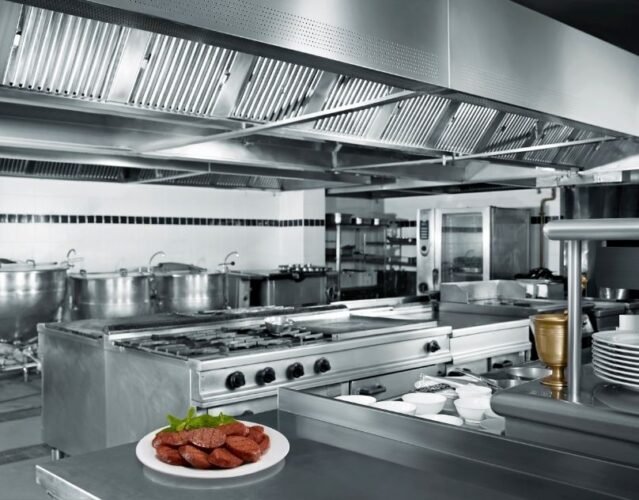
A well-equipped commercial kitchen Extraction machine is essential to keeping your kitchen safe, compliant, and efficient. Over time, grease, smoke, and airborne particles build up in indoor exhaust systems, increasing serious fire hazards and deteriorating air quality Many companies ignore early warning signs that can result in costly maintenance, failed inspections, or even shutdowns. Knowing that your system wants immediate attention makes it easier to protect a lot of your employees, customers and reputation. In this article, we’ll explore the mostly uncommon symptoms that mean your extractor needs pressure cleaning and why it’s important to be spotted quickly to maintain a safe and compliant industrial kitchen environment.
Excessive grease accumulation on surfaces
One of the most obvious signs that your extractor needs cleaning is a visible buildup of grease. If you see sticky residue on hoods, faucets or nearby surfaces, it is a sign that the machine is not effectively photographing airborne grease particles and over time this buildup can become highly flammable, increasing the risk of kitchen fires. Grease can also drip into kitchen areas, creating sanitation issues and a risk of capacity contamination. Regular inspections may already be aware of these problems, but once the grease has transformed significantly, immediate expert cleaning is required to restore safety and functionality within the kitchen environment.
Unpleasant smell that won’t go away
Persistent, unpleasant odors from the kitchen or dining room are regularly a factor in a clogged or dirty extractor. When grease and food residue enter the intestinal tract, they begin to break down and result in strong odors that normal cleaning cannot remove. These odors can manifest in your premises at some stage, negatively impacting customer delight and worker comfort levels. A properly functioning extraction device should effectively remove airborne pollutants. If odors linger, even after a simple cleaning, it’s a strong indication that internal connections need deep cleaning to eliminate hidden deposits and restore proper ventilation.
Reduced ventilation and poor ventilation
If your kitchen feels hotter than usual or smoke seems to linger in the air, your extractor is having trouble working. Reduced airflow is regularly caused by blockages within the ductwork, usually caused by grease and particle buildup. This is no longer the handiest effect on the comfort level for the body of the worker however it can also affect the efficiency of cooking and even normal productivity. Poor ventilation can result in expanded moisture and condensation, developing an uncomfortable and potentially unsafe operating environment. Correcting ventilation problems right away will ensure that your system works as intended and maintains a healthy ecosystem in your kitchen.
Increased fire risk and safety concerns
Special debris disposal equipment increases the risk of fire hydrants. Grease seals and inner tubes and filters are highly flammable, and a spark or blow can ignite them. This type of fire can spread quickly through the pipes, making it difficult to turn around. Fire safety regulations require regular cleaning to reduce these risks, and failure to comply can have serious consequences. If your machine is not cleaned within the supported timeframe or shows visible signs of build-up, it is essential to install service immediately to protect your premises and any fixtures.
Abnormal noise from extraction systems
Strange or more than normal noises coming from your outlet can indicate underlying problems due to dirt and grime. When grease accumulates, it can block airflow and can put extra pressure on enthusiastic, cars. This can cause cursing, vibrating, or buzzing sounds that did not exist before. Ignoring those noises can lead to mechanical failures and costly repairs. A professional cleaning is not free from practical dangerous buildup, but allows you to restore smooth operation, reduce wear and tear on equipment components, and extend the life of your system.
Visible smoke or vapor not properly exhausted
Your extractor needs to effectively release the smoke and vapor that are produced at some point during the firing process. If you see smoke lingering in your kitchen or escaping into protected areas, it’s a clear sign that your system isn’t working properly. This problem is usually caused by blocked filters or ductwork that restricts airflow. In addition to causing pain, bad breath can cause health and protection issues for crew and visitors. Immediate cleanups facilitate accurate repair skills, ensuring that smoke and airborne debris are effectively removed from the environment.
Failed Compliance or Compliance
If your kitchen has recently failed an inspection or received a hygiene or ventilation warning, your extractor may be a nuisance. Regulatory standards require regular maintenance and cleaning of buildings to ensure safety and cleanliness. Failure to comply may result in a fine, enforcement action or temporary suspension. Being proactive with cleaning and maintenance can avoid these problems and shows your dedication to running a safe and professional kitchen. Correcting problems quickly ensures that you are compliant and ready for future inspections.
Conclusion
Knowing the warning signs and symptoms of a garbage disposal machine is critical to maintaining a safe, efficient, and compliant kitchen. From grease buildup and unpleasant odors to reduced ventilation and expanded fireplace risk, these problems should never be ignored. Acting quickly not only protects your workforce and customers, but also makes it easier to avoid high costs of disruption for your business. Regular expert cleaning ensures that your equipment is doing its job and meeting all important maintenance standards. For reliable and consistent extraction cleaning services, organizations can consider Provent Compliance to provide professional solutions tailored to industrial kitchen environments.
Comments are closed, but trackbacks and pingbacks are open.